


Treatment Time is 50 Minutes. Your Life is the Other 167 Hours.
Your treatment time is 50 minutes once admin is factored in. Your life is the other 167 hours. For people managing chronic conditions, hypermobility or persistent fatigue, what happens between sessions matters just as much as what happens in the room.
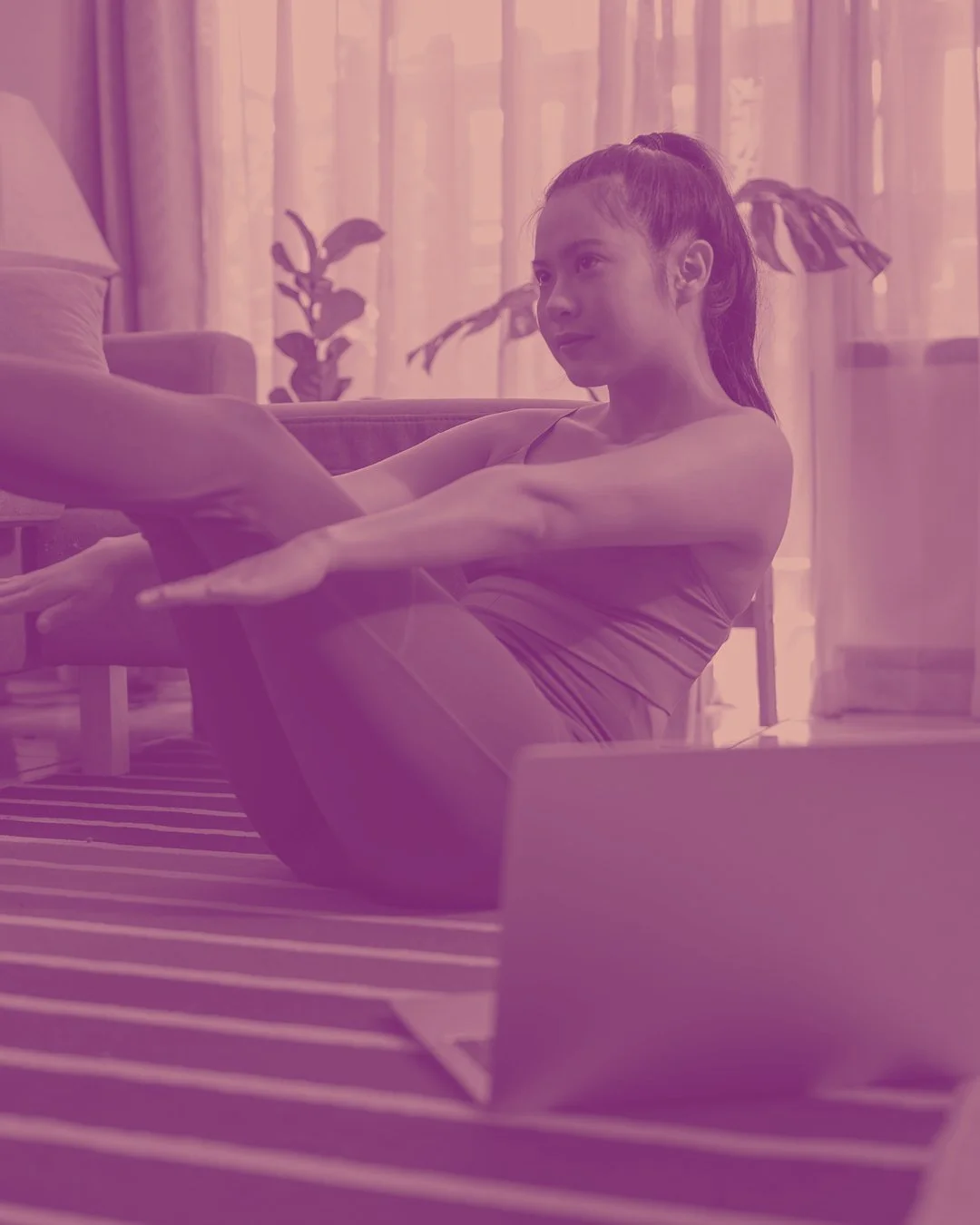
Online Isn't a Compromise. It's a Different Kind of Access.
There's a version of online healthcare that's a compromise, and then there's the kind that actually fits your life and your body as they are. For people managing fluctuating conditions like POTS, or for whom travel itself is a significant load, online sessions at AOK aren't second best. They're often the thing that makes consistency possible.

Why “Just Do Some Exercise” Misses the Point for a Lot of People
"Exercise is medicine" sounds simple enough until your body doesn't respond the way it's supposed to. For people navigating chronic pain, hypermobility spectrum disorders or autonomic conditions, the standard advice to just move more can trigger a crash rather than progress — and that's not a mindset problem, it's physiology that deserves better support.

“Rest More” Isn’t Actually an Answer
If you've lived with chronic pain, fatigue, or a complex health condition, there's a reasonable chance someone has told you to rest more. Sometimes that's genuinely the right call. But as a standalone response to a complex picture, rest can quietly shift from recovery into avoidance — and that's a cycle worth understanding before it gets smaller.

Your Nervous System is Part of Your Movement Practice
A lot of movement advice assumes a fairly standard experience of being in a body — that you can reliably read your own fatigue, filter out a noisy gym, and follow a multi-step program without much friction. For neurodivergent people, a lot of those assumptions don't hold. And that matters more to your movement practice than most exercise spaces acknowledge.
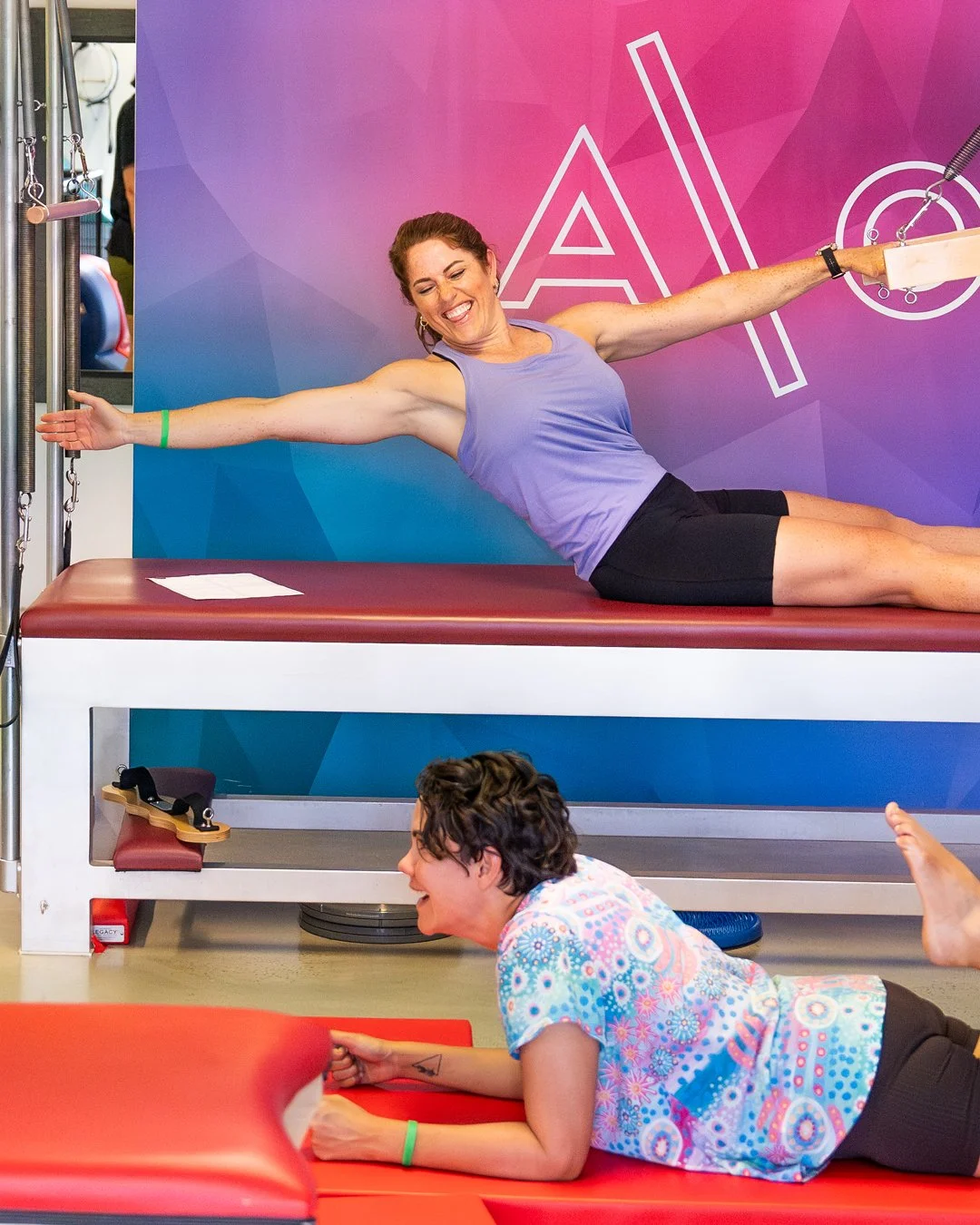
What It’s Like to Train With People Who Get It
There's a specific kind of exhaustion that comes from being in a fitness space where you have to explain yourself. Explain why you're modifying, why you can't do what you could last week, why rest isn't laziness. Most group fitness environments aren't built for bodies that don't cooperate with standard protocols. This one is.
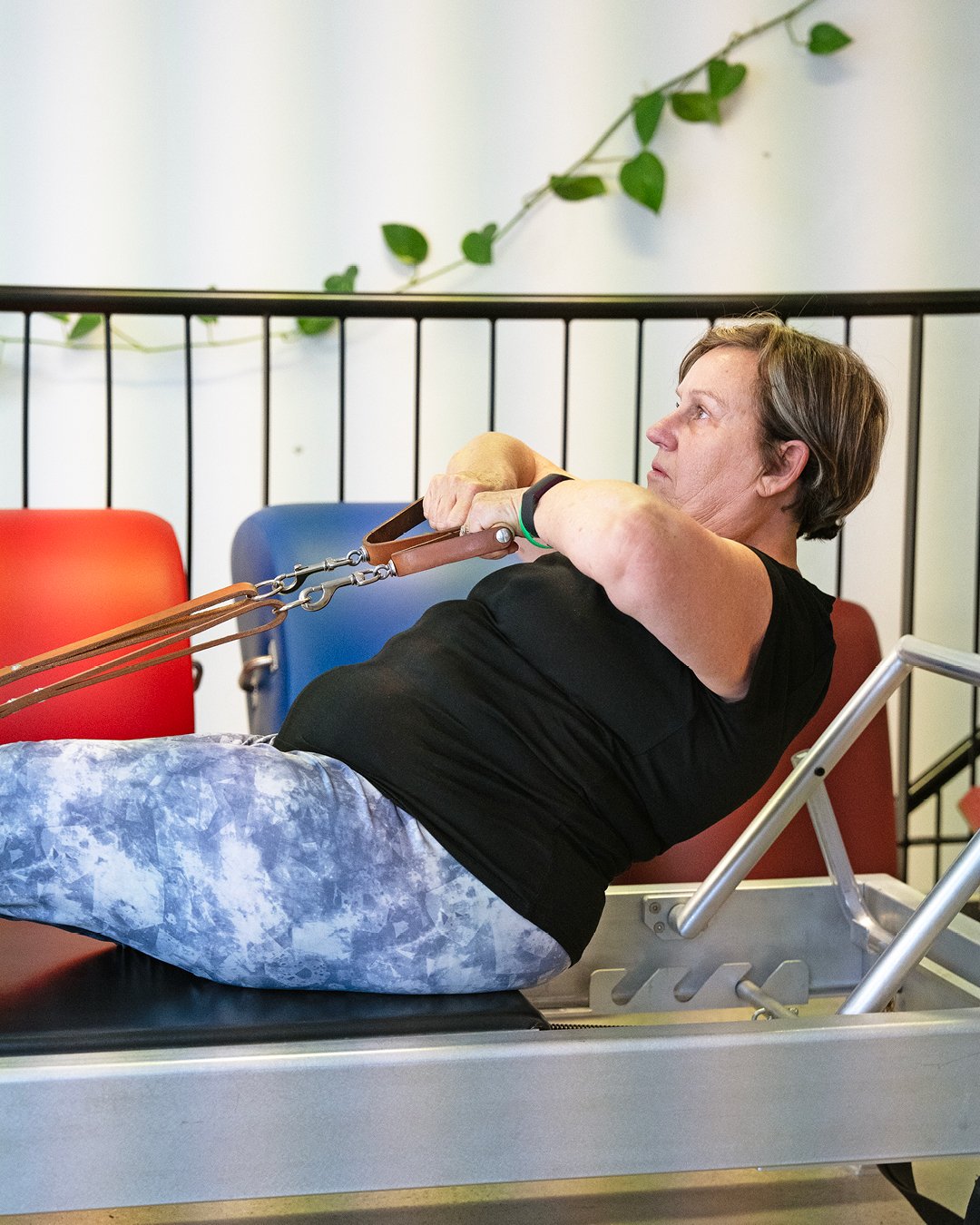
Load Management is More Than How Much You Lift
Most exercise programs track physical load. Sets, reps, kilometres, kilograms. What they don't account for is everything else your body is managing at the same time — and for people living with chronic conditions, hypermobility, POTS or persistent fatigue, that gap matters a lot.

Pre-Pointe Assessment and Screening
Pre-pointe screening helps young dancers transition to pointe work safely. Our dance physiotherapists use evidence-based testing and the Australian Dance Council's screening to assess strength, alignment and coordination. The assessment creates a dancer profile that helps you, your teacher and your physio team develop a tailored plan—whether you're ready to start pointe or need some targeted strengthening first.